Carriers are retiring copper POTS lines and raising prices on the ones that remain. Analog lines still run fire panels, elevator phones, fax, door entry and point-of-sale — so the conversion has to find every one of them, and move each to a digital replacement without leaving a life-safety line dark. This is how we do it.
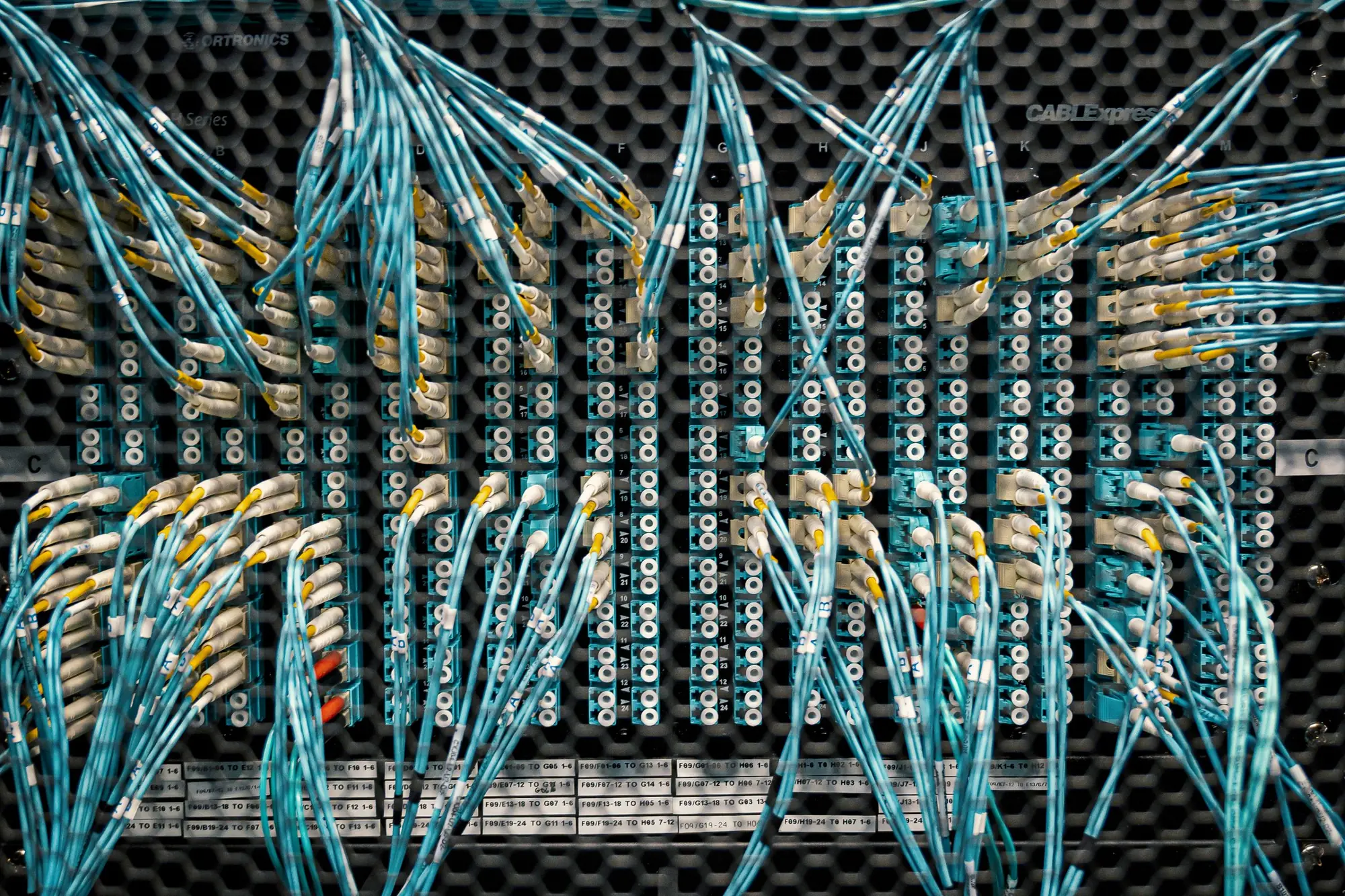
We walk the site, open the closets and record what is really there — every analog line, including the ones nobody remembers ordering: the fire panel, the elevator phone, the fax in the back office, the door entry, the modem line.
Every line, port and device is traced and written down before anything is touched. Each line gets a named digital replacement — LTE or broadband-based — matched to what it serves, with life-safety lines flagged first.
Work is scheduled around your hours, after-hours and phased where the building needs it, with a rollback plan for each step. Life-safety lines are cut over with the system owner on hand, and never left dark.
We test end to end — alarm signals, elevator phones, fax, entry systems — label everything and hand over clear notes, so your team knows exactly what each line became.
Carriers are raising prices on the copper lines that remain, month after month. A building with a handful of analog lines can be paying digital money for copper service.
When a carrier retires copper in your area, the deadline is theirs, not yours. Buildings that convert on their own schedule keep control of the timing — and the testing.
Fire panels and elevator phones are the lines that matter most and the ones most often forgotten. Our inventory starts with them, and their cut-overs are tested with the system owner before we leave.
Most conversions finish in a single visit per site: survey findings in hand, replacements installed, every line tested, notes handed over.
Not sure how urgent your building is? Run the four-question POTS readiness test.
Send a photo of the closet, a site address or a carrier ticket number, and we will come back with a plan.
Call 773-961-7671 Email us